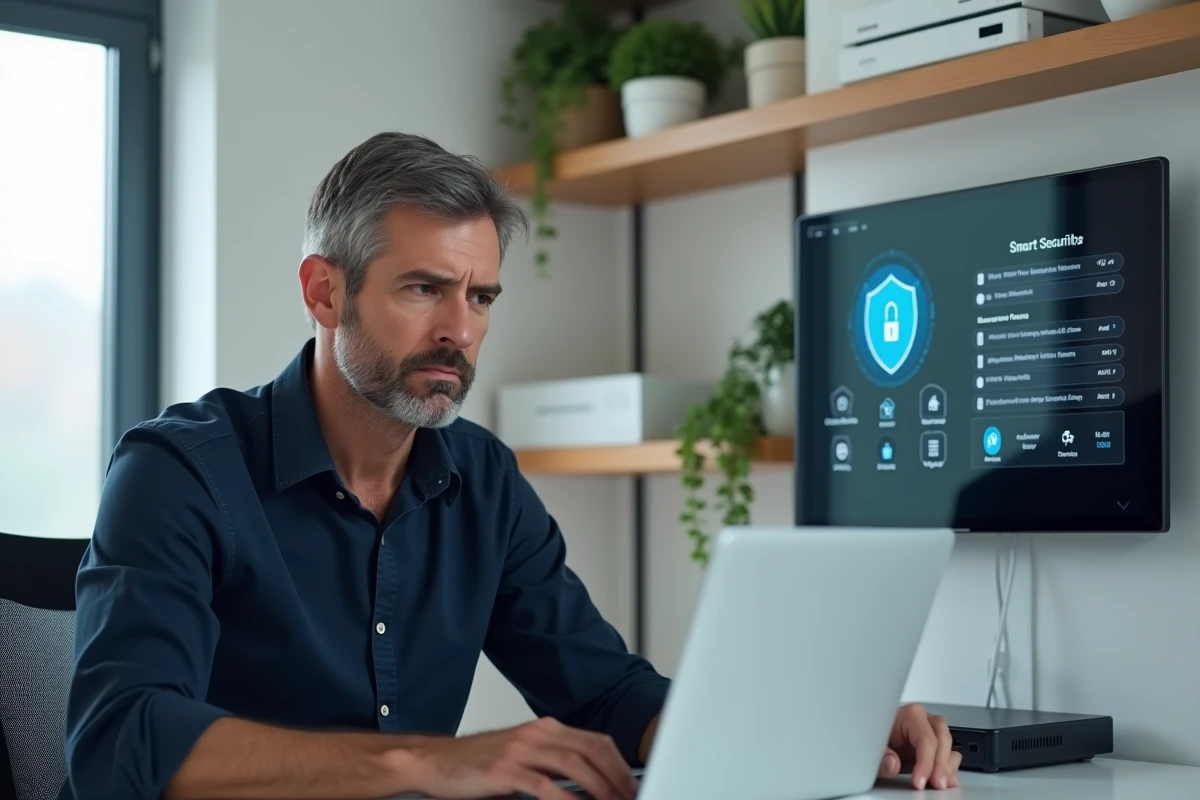
A connected alarm system collects much more than just intrusion alerts. Access codes, time slots of presence, video streams, audio recordings: together they form a detailed profile of the home. The question is not whether this data exists, but who has access to it, for how long, and under what guarantees. Alarms and remote monitoring raise issues of personal data that a simple physical lock has never posed.
Alarm Installers: A Control Gap on Access to Home Data
The most underestimated risk in the remote monitoring chain is not technical. It is human. In France, alarm and video protection installers are subject to no professional card obligation or criminal record check, unlike security agents monitored by the CNAPS.
In practice, a person convicted of theft or fraud can legally install a security system in a private home. This technician then knows the exact configuration of the system: administrator codes, camera blind spots, uncovered access points. Feedback shows that some retain this information after the intervention.
This flaw directly exposes the home data (plans, presence habits, recordings) and the physical security of the occupants. Before worrying about the encryption of a video stream, one must ask who configured the system and what information that person retained. To better understand the risks to your data with Verisure, several analyses detail the concrete limits of this trust chain.
Data Collected by a Remote Monitoring System: Comparative Table of Types and Risks
Not all alarm systems collect the same information. The level of risk varies according to the nature of the data and its degree of sensitivity under the GDPR.
| Type of Data | Concrete Examples | GDPR Risk Level | Main Risk |
|---|---|---|---|
| Personal Data | Name, address, phone number, email | Moderate | Identity theft, abusive solicitation |
| Technical Data | Access codes, system configuration, connection logs | High | Facilitated intrusion if leaked |
| Sensitive Data (video/audio) | Camera streams, microphone recordings, presence detection | Very high | Invasion of privacy, non-consensual surveillance |
| Behavioral Data | Activation/deactivation times, frequency of presence | High | Profiling of household habits |
Behavioral data is often overlooked in risk analyses. They allow for reconstructing a household’s lifestyle with a precision that neither name nor address alone can provide.
Access to Video Streams by the Remote Monitoring Center: Regulation and Gray Areas
The remote monitoring center can, in principle, access the video stream only in the event of a verified trigger and for a limited duration. Justification protocols govern each consultation. On paper, the system seems rigorous.
In practice, the client often does not know who can view the images, how long they are retained, and how the activation of cameras and microphones is tracked. This information asymmetry between the subscriber and the operator constitutes a blind spot in the remote monitoring contract.
However, the GDPR imposes clear obligations. Any data breach must be reported to the CNIL within 48 hours of discovery. The data controller must document access and its purpose. However, few consumer contracts detail the procedure for tracking video consultations by the center’s operators.
What the Contract Does Not Always Specify
- The exact number of people authorized to view the video streams within the remote monitoring center
- The duration of retention of recordings after a trigger, which may vary from one provider to another without the client being informed
- The conditions under which a microphone integrated into the system can be activated remotely and by whom
These gaps do not always stem from the provider’s bad faith. They reflect a sector where transparency practices lag behind regulatory obligations.
GDPR and Connected Alarms: Rights of the Individual Against the Provider
The European data protection regulation grants individuals specific rights regarding the information collected by their alarm system. The right of access allows individuals to request from the provider a complete list of the data held. The right to rectification and the right to erasure also apply, including to video recordings.
When third parties are involved (neighbors filmed by an outdoor camera, recorded visitors), their explicit consent is required as soon as the capture goes beyond the strictly private sphere. The CNIL ensures compliance with these rules and can sanction violations.
Checks to Perform Before Signing a Remote Monitoring Contract
- Confirm that the provider has an identifiable and reachable data protection officer (DPO)
- Request in writing the retention period for each type of data collected (video, logs, personal data)
- Verify that the contract includes a data deletion procedure in case of termination, with a specific timeframe
- Ask whether the data is hosted in France or within the European Union, which conditions the applicable level of protection
Protecting personal data in the context of alarms and remote monitoring goes beyond signal encryption. It starts with the quality of the signed contract and the provider’s transparency regarding its internal practices. A security system that does not protect the data it generates creates a risk it was supposed to prevent.