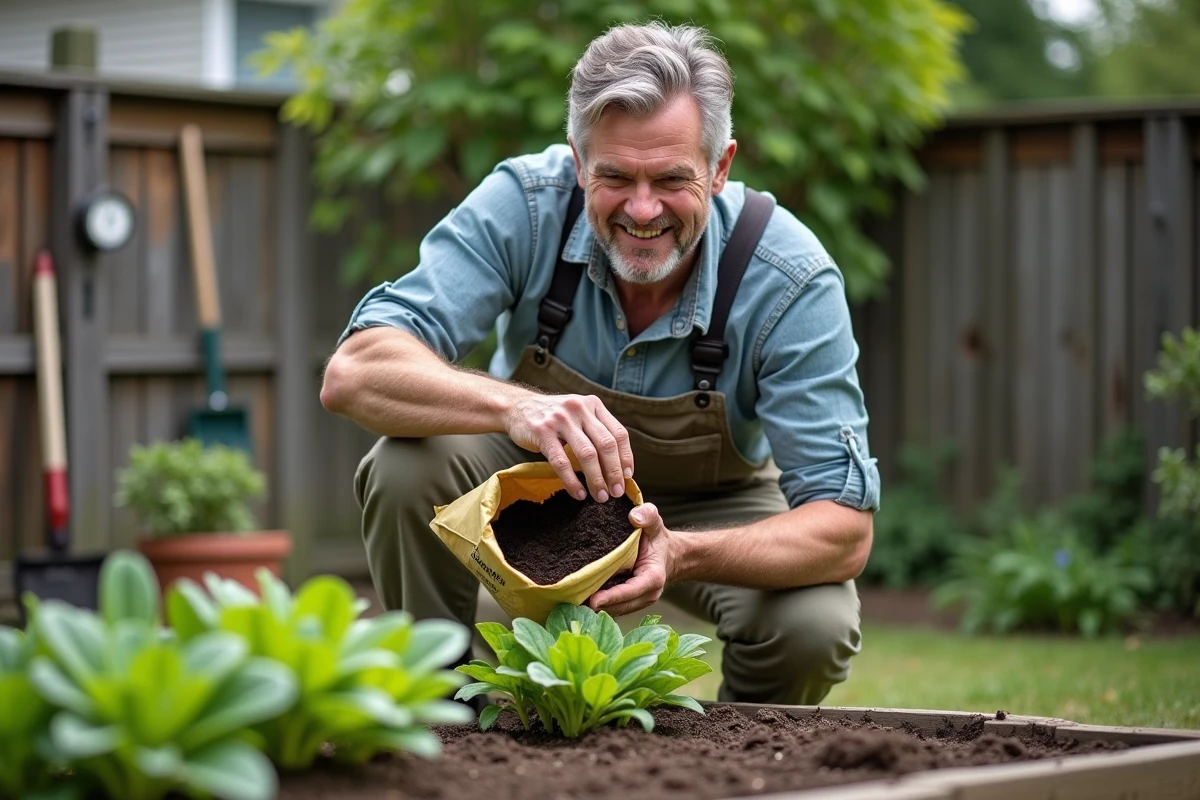
The Lidl universal potting soil does not shy away from attention: year after year, it flies off the shelves as soon as it arrives. Priced competitively, it finds its way into shopping carts as an obvious choice… until the question of its actual qualities arises. Behind the allure of the low price, this bestseller generates as much enthusiasm as uncertainty about its performance in the garden.
Analyses conducted on different bags reveal significant variations in composition from one batch to another. In practice, the results are mixed: some gardeners harvest juicy tomatoes, while others report mediocre outcomes, depending on the type of plant or watering frequency. This variability fuels both excitement and skepticism around this potting soil that is a hit in the gardening aisle.
What does Lidl’s universal potting soil really contain? A closer look at its composition and promises
Every spring, the Lidl potting soil bag arrives on pallets, accompanied by a promise of versatility and savings. The technical sheet mainly lists organic materials such as blonde peat and black peat, a classic base that ensures a light and well-aerated substrate. Ideal for giving seedlings and young plants a good start.
The addition of an organic fertilizer complements the formula. The dosage remains light: enough to support growth in the first few weeks, both in pots and in the ground. In terms of eco-responsibility, Lidl highlights the RPP Responsibly Produced Peat standard. However, behind the mention of “ecolabel RPP responsibly,” the exact proportion of certified peat varies by batch, an imprecision that leaves some gardeners perplexed.
Experts who have studied this product confirm that it has an organic matter content consistent with this range, with a high moisture level and a homogeneous texture. The water retention capacity is suitable for indoor plants or balcony planters. When it comes to more demanding crops, it’s better to enhance the mix. For those who want to delve deeper into the details, Lidl’s budget universal potting soil is the subject of a comparison based on several years of testing, outlining its strengths and limitations very concretely.
Lidl potting soil vs. competing brands: what are the real differences in the garden?
For many gardeners, Lidl potting soil is an accessible and practical option, especially for sowing and planting in pots. Its fine texture makes it easy to handle and promotes quick rooting. Its lightweight substrate encourages the emergence of young shoots, provided that watering is monitored: the water reserve is moderate and requires careful attention during the first weeks.
It is through use that the differences with major brands become apparent. Lidl potting soil easily supports indoor plants or balcony planters. For more demanding species, lush blooms, or high-maintenance vegetables, many enrich their mix with homemade compost or other organic amendments to extend the nutritional supply. This potting soil is therefore aimed at a broad audience, without claiming to compete with ultra-specialized formulas.
On the packaging, the environmental certification RPP is prominently displayed. It reassures consumers about the effort towards eco-responsibility, even if the exact proportion of certified materials is not always detailed. Gardeners who prefer a customized mix do not hesitate to add coconut fiber or their own compost to refine the texture and adjust the water retention capacity according to their crops or the weather.
What gardeners think: reviews, tests, and tips for optimal use
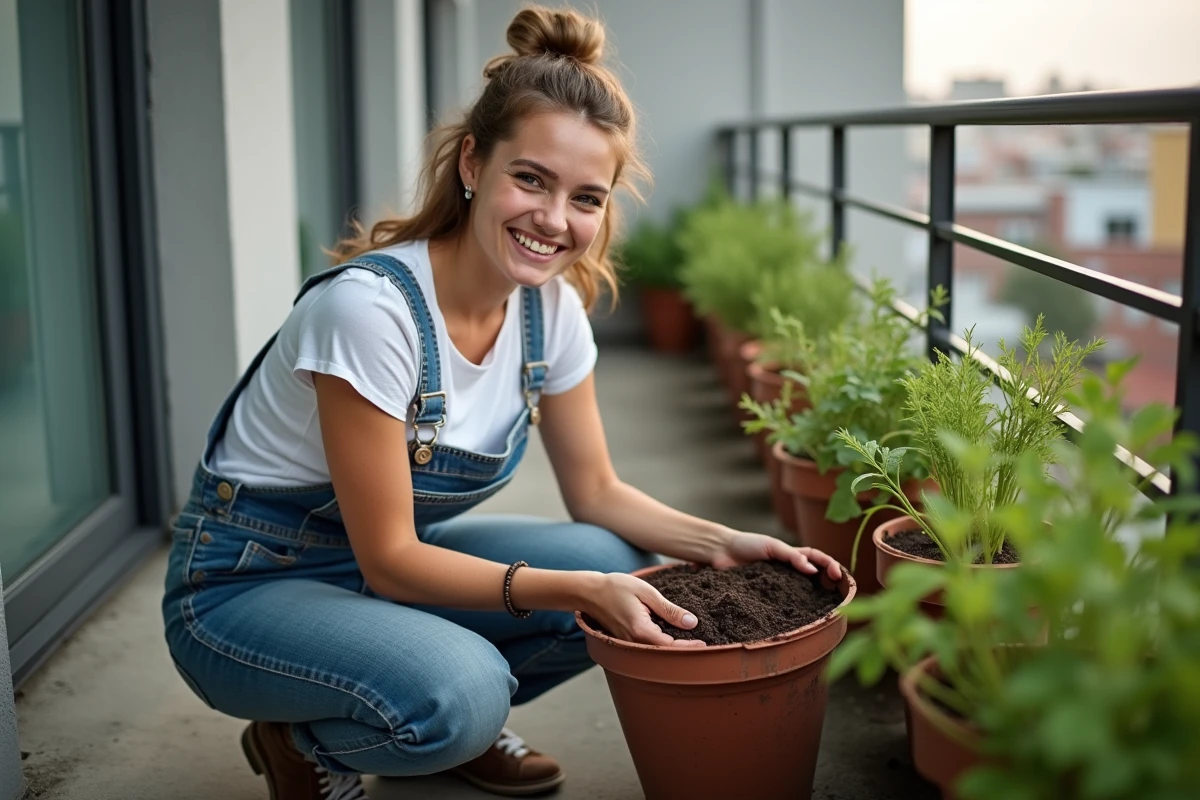
In enthusiast groups, opinions on Lidl universal potting soil get straight to the point. Many appreciate the practicality of the 40-liter bags, which are easy to handle, low-mess, and odor-free. However, many gardeners and professionals, like Benoît Paquet, a nurseryman, emphasize the need to adjust fertilization for nutrient-hungry plants or delicate seedlings. In short: this potting soil does an excellent job for common plantings, but it shows its limits as soon as a crop requires precise monitoring or long-term nutrients.
Francis Muller, a peat specialist, raises the issue of sustainable peat extraction. While labels are reassuring, everyone should use this potting soil judiciously to preserve the fragility of these natural environments. Several enthusiasts recommend combining Lidl’s product with coconut fiber or homemade compost: the mix gains structure and significantly improves water retention.
Here are the most common tips for getting the best out of this potting soil in practice:
- For indoor plants, enriching the substrate every three to four months is generally sufficient.
- For seedlings, a mix with mature compost or coconut fiber is recommended.
- For potted plants, be sure to monitor watering and nutrition from the second season onward.
From one harvest to the next, one truth stands out: Lidl’s universal potting soil checks many boxes for those seeking simplicity and savings, provided they add their personal touch. Whether a beginner or an experienced gardener, everyone finds their benefit, sometimes with a simple adjustment, sometimes through the desire to experiment. One bag, one idea, and an entire patch of greenery can come back to life under your hands.