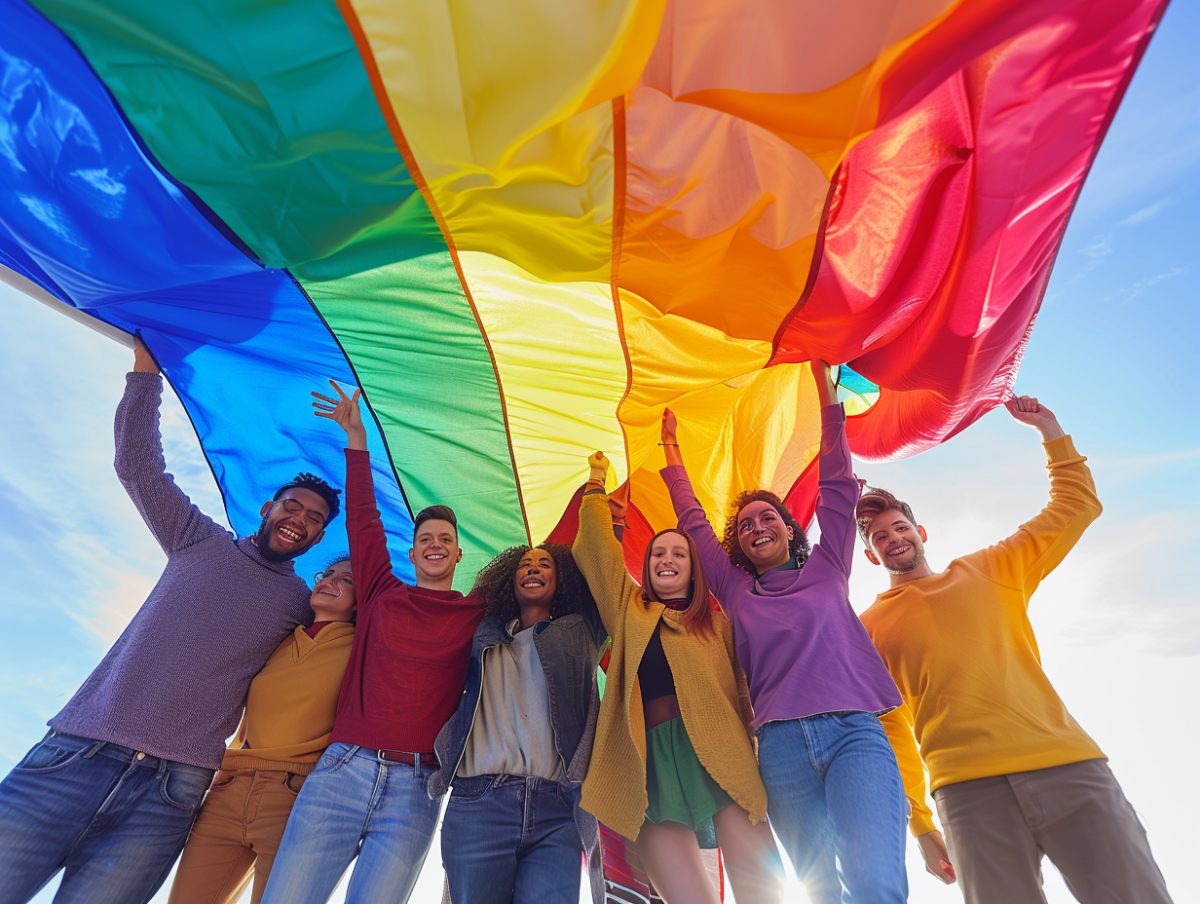
Over the decades, communication platforms have played a fundamental role in the cohesion and visibility of the LGBTQ community. From underground newsletters to anonymous discussion forums in the 90s, these spaces have provided safe havens for expression and exchange. With the advent of social media, the community has gained visibility but also vulnerability to misinformation and online harassment. Today, new platforms are striving to reinvent LGBTQ communication, focusing on safety, inclusivity, and mutual support.
From the emergence of forums to social networks: the trajectory of LGBTQ platforms
In the early days of the internet, forums were the pioneers in the history of communication platforms for the LGBTQ community. These digital spaces, often isolated and protected, offered places for gay dialogue, exchange, and support, away from prying eyes and prejudice. Digital media thus became means of information and mobilization for LGBT communities, allowing them to gather around common interests and advocate for their rights.
With the rise of social networks, the dynamics of communication within the community underwent a radical transformation. Facebook, Twitter, and other platforms became spaces for expression and meeting for sexual minorities, amplifying their ability to be heard and to forge connections. The internet has established itself as the main ally for the socializing and meeting of sexual minorities, allowing for unprecedented visibility but also exposing the community to new challenges, such as managing privacy and combating online hate.
The role of digital media as a mobilization tool for LGBT communities has strengthened over time, evolving from information tools to true platforms for social change. Digital social networks have facilitated activist actions and enabled LGBT communities to claim their rights with greater impact. The ability of these platforms to unite, educate, and mobilize is now undeniable, representing a decisive step in the trajectory of LGBTQ platforms towards a more inclusive society.

Contemporary challenges of communication platforms for the LGBTQ community
Current communication platforms face a multitude of challenges that shape the experience of users belonging to the LGBTQ community. The issue of visibility and representation of this community on social networks remains central. Indeed, advocacy groups for sexual minority rights use these spaces to raise public awareness and promote equality, particularly relying on platforms like Facebook for their ability to unite and mobilize.
However, the fight against homophobia remains one of the major challenges. Social networks, while being places of free expression, are also spaces where discrimination and hate can spread quickly. Moderating hateful content and protecting users from homophobic attacks is a constant battle for platforms, which must balance freedom of expression with user safety.
In certain contexts, such as Tunisia, where homosexuality is criminalized by the Tunisian penal code, communication platforms play an even more critical role. They become clandestine spaces for the LGBTQ community to gather, share information, and organize in the face of police repression. LGBT activists, at the risk of their safety, exploit these digital tools to claim their rights and raise awareness about the injustices they face.
Digital activism, embodied by the strategic use of social networks, has emerged as an essential form of contemporary action. Online campaigns, hashtags, and virtual mobilizations catalyze attention on issues of sexual orientation and gender identity. Communication platforms, through their omnipresence in daily life, have become essential levers for social change, reflecting the constant evolution of activist strategies within the LGBTQ community.