Lille has concentrated fashion activity for several years that goes beyond mere social gatherings. Between fashion shows in unusual locations, designers committed to upcycling, and hybrid formats blending physical and virtual experiences, the northern metropolis is establishing a distinct positioning in the French landscape. What fashion event formats are gaining traction in Lille, and how does the city stand out against other European textile hubs?
Fashion Events in Lille Compared to Other European Textile Hubs
Lille shares an ancient textile tradition with Antwerp, but the two cities attract different profiles of designers and investments. Lille is emerging as a northern European fashion hub competing with Antwerp, driven by a significant increase in foreign investments in its events, observed since the second half of 2025.
| Criterion | Lille | Antwerp |
|---|---|---|
| Textile Tradition | Industrial history (spinning mills, garment making) | Royal Academy, the “Six from Antwerp” |
| Dominant Event Types | Immersive formats, shows in unconventional venues | Academic fashion weeks, showrooms |
| Designer Positioning | Upcycling, eco-responsibility, young brands | Avant-garde, high-end ready-to-wear |
| Recent Dynamics | Increase in foreign investments since 2025 | Stability, constant academic attractiveness |
| Accessibility | TGV Paris 1h, Eurostar London/Brussels | Thalys connection, proximity to Brussels |
This table highlights a positioning gap. Antwerp capitalizes on its academic history and avant-garde image. Lille focuses on accessibility, participatory formats, and a network of young creators oriented towards circular fashion.
The event 48h Maisons de Mode illustrates this Lille dynamic by bringing together emerging designers in open spaces for the public at each edition, far from the closed format of traditional fashion weeks.
Hybrid Formats and Immersive Shows: What Replaces the Classic Show in Lille
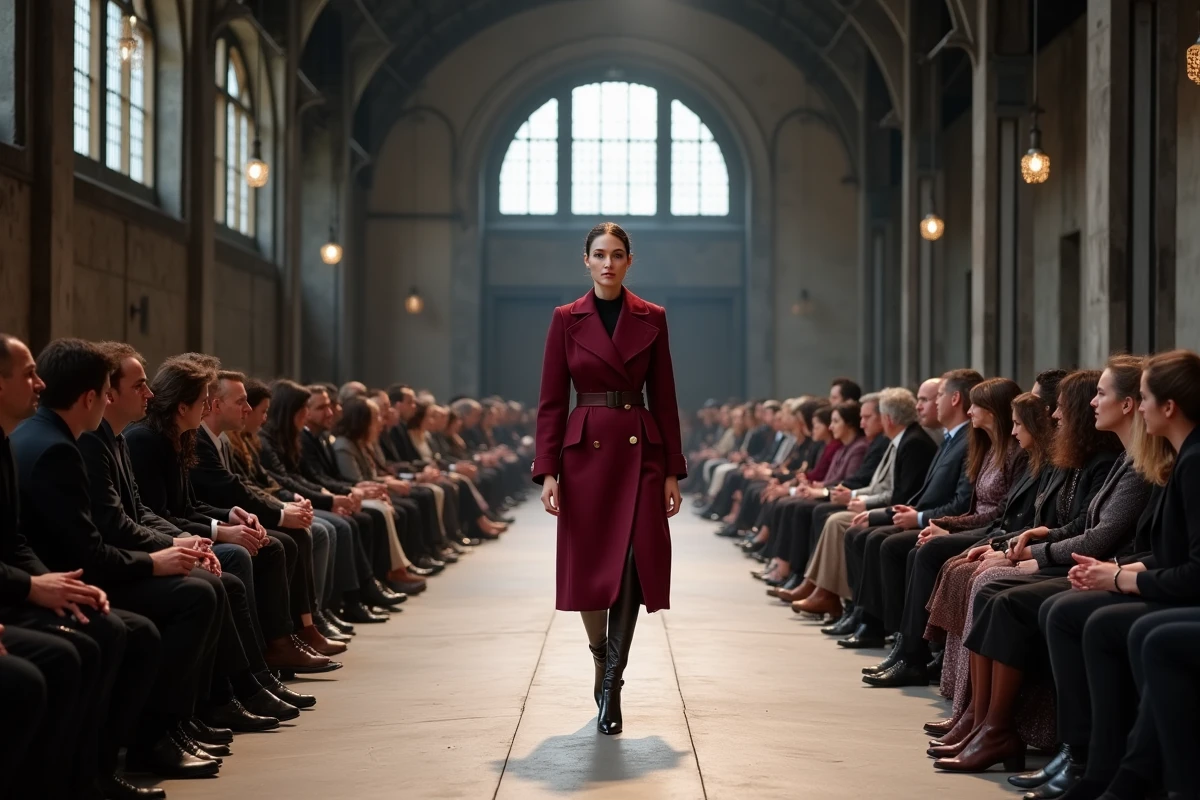
Lille organizers report a decrease in budgets allocated to traditional fashion shows since mid-2025. The classic format (runway, seated audience, loud music) is losing ground in favor of immersive events that combine physical experience with online broadcasting.
A show organized in an underground parking lot in Lille exemplifies this shift. The unusual venue generates media attention that a traditional fair would not achieve, while also reducing venue rental costs.
- Hybrid events combine a physical presentation with live streaming, expanding the audience well beyond on-site visitors.
- Repurposed venues (parking lots, industrial wastelands, public spaces) lower logistical costs and create a surprise effect that fuels social media.
- Participatory formats, where the public can meet designers directly and purchase, are gradually replacing the contemplative runway show.
Budgets are shifting from spectacle to experience. A fair where visitors touch textiles, engage with the designer, and leave with a piece produces a more measurable return on investment than a ten-minute show.
What This Means for Emerging Designers
For a young Lille designer, participating in an immersive event costs less than a traditional fashion show. Direct sales during the event offset some of the participation costs.
The hybrid format also offers lasting digital visibility. A presentation video filmed in a textile wasteland remains accessible months after the event, unlike a fleeting runway show whose media coverage fades within days.
Eco-Responsible Designers in Lille: The Impact of Regulation on Fashion Events
The extension of the tax on imported fast fashion in Hauts-de-France, effective since January 2026, directly modifies the ecosystem of Lille’s fashion events. This measure, stemming from decree n°2025-1478 published in the Official Journal, mechanically favors local creators over low-cost import brands.
Collaborations between Lille fashion schools and local brands are multiplying around eco-responsible shows. IFM Lille has partnered with creators specializing in upcycling during the extended Circular Fashion Week, a trend confirmed by the annual report of the Federation of Haute Couture and Fashion published in March 2026.
Upcycling and Circular Fashion in Lille’s Fairs
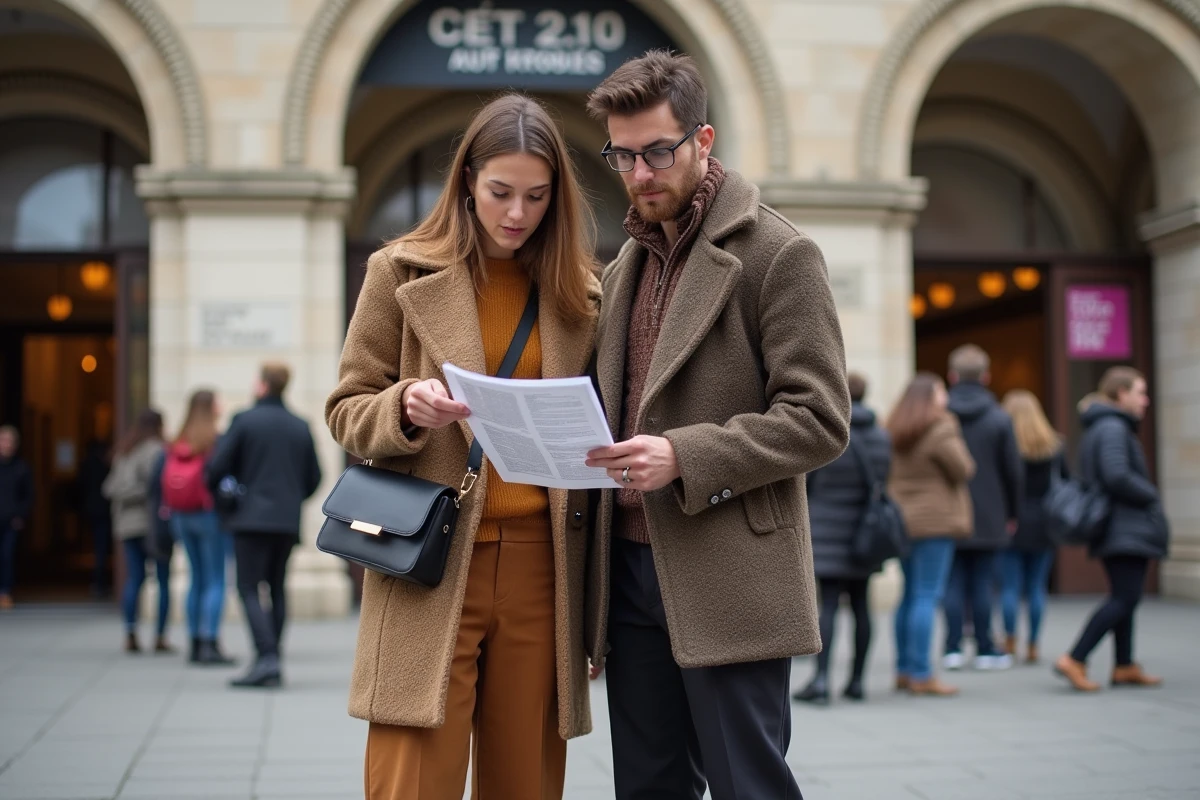
Upcycling is no longer a niche in Lille’s fashion events. Several fairs and recent editions dedicate spaces to creators who transform existing textiles into new pieces.
This orientation responds to public demand. Visitors to Lille’s fashion events are increasingly seeking unique, traceable pieces produced locally. In contrast, brands that cannot justify an environmental approach lose visibility at these gatherings.
- Upcycled creators often benefit from priority placements in fairs, with dedicated signage.
- School-brand partnerships allow students to present collections designed from dormant stocks.
- Regulations on fast fashion push organizers to filter exhibitors based on responsible production criteria.
The fast fashion tax accelerates the selection of exhibitors in Lille’s events. Organizers see this as a differentiating argument against Parisian fairs, where brand diversity still outweighs environmental criteria.
Fashion Trends in Lille: What Upcoming Editions Reveal
The upcoming editions of Lille’s fashion events confirm three trends. The first: the rise of short formats, concentrated over a weekend, which facilitate the arrival of visitors from outside the region.
The second trend concerns the integration of digital technology. Organizers are investing in augmented reality tools that allow virtual try-ons of creations during fairs. This format attracts a younger audience, accustomed to digital experiences.
The third focuses on diversifying spaces. After parking lots and wastelands, upcoming events will explore Lille’s heritage sites (former factories, inner courtyards of Old Lille) to anchor fashion in the city’s architectural identity.
Lille is not trying to replicate the Parisian model. The city is building a fashion circuit based on proximity, circularity, and experimentation. The rising figures of foreign investment and the regulatory framework favorable to local creators outline an ecosystem that could, in the long run, weigh as much on the European fashion map as historically better-established hubs do.