
Nearly 70% of veterinary consultations concern avoidable problems related to diet, environment, or the behavior of pets. Some breeds, known for their robustness, nonetheless develop specific pathologies that go unnoticed at the time of adoption. Misinterpretation of body signals remains common, leading to late or inappropriate interventions.
Poorly adjusted routines, improvised care, or preconceived ideas can have lasting effects on a pet’s health and balance. Staying informed about real needs and recommended practices can help avoid many complications.
Understanding the fundamental needs of your pet: diet, hygiene, and environment
Three key areas structure a pet’s life: diet, hygiene, and environment. The balance of these areas determines the health of dogs, cats, or any other domestic companions. Properly feeding your pet is already a step towards its longevity. A diet suited to its age, activity level, and physiological needs limits the risks of deficiencies or excesses. Quality commercial foods, chosen for the species and size, provide a reliable foundation. It’s better to set aside family meal leftovers to avoid disturbing its digestive system.
The hygiene aspect relies on several regular actions to be integrated into the routine.
- Grooming: Regularly brushing dogs and cats, especially during shedding periods, prevents tangles and limits hair loss.
- Cleaning eyes and ears: Since each animal has a specific morphology, it’s important to adapt the action to limit infections.
- Dental care: A check-up for tartar is necessary, as deposits can lead to pain and diseases.
- Nail trimming: For sedentary animals, the risk of injury increases if nails become too long.
An enriched environment makes all the difference. Providing comfortable resting areas, varied and renewed toys stimulates intelligence and channels energy. Vaccinations, sterilization, and parasite prevention keep the animal healthy and contribute to the fight against abandonment. These actions also protect the human family from certain transmissible diseases.
Identification by microchip or tattoo, now mandatory in France for dogs and cats over four months old, facilitates their return home in case of escape. To update your knowledge and keep up with regulatory changes, https://www.bloganimaux.com/ offers resources on pet care and advice.
How to recognize signs of well-being or discomfort in your companion?
The body speaks, even without words. A lively dog that seeks play, eats with appetite, and sleeps peacefully indicates solid health. In cats, one observes a shiny coat, purring, flexibility in movement, and intact curiosity. These signs are unmistakable: the animal is doing well.
Conversely, discomfort expresses itself through subtle changes. A dog that distances itself from the group, refuses its food, whines, or licks excessively signals a problem. The cat alerts with neglected grooming, a dull coat, unusual meowing, or decreased activity. Any sudden change in behavior should be closely monitored: new aggression, apathy, limping, weight loss, or loss of appetite. These signals require immediate attention.
In case of doubt, the veterinarian can provide a reliable diagnosis. They will identify diseases or pains that may be invisible to the owner and determine the course of action. A well-followed treatment accelerates the return to comfort and reduces the risk of complications.
The animal’s health is shaped daily through attentive observation of its posture, gaze, and habits. It is in these details that a true, solid, and respectful bond is cultivated.
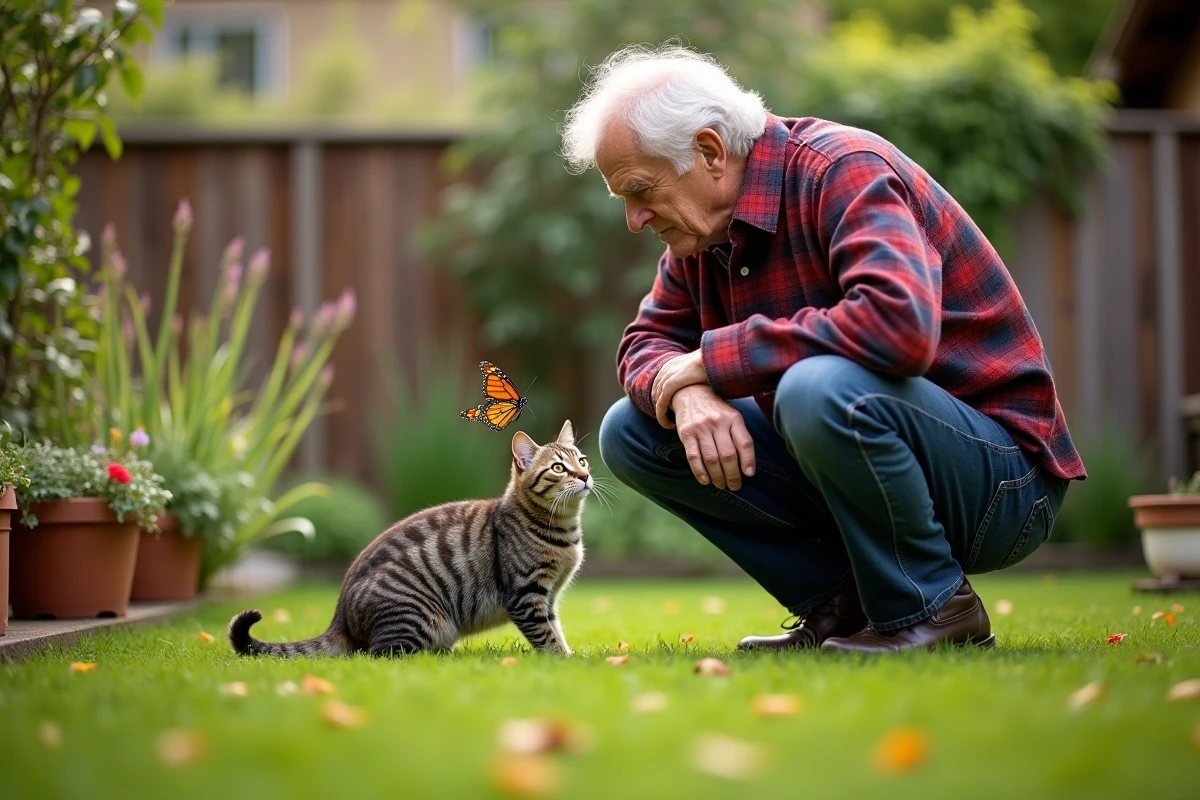
Simple daily actions to enhance health and companionship with your pet
It is the everyday gestures that weave the unique relationship with the animal. Shared play, moments of tenderness, varied stimulation: all are markers for emotional and physical balance. For the dog, walks structure the day, channel energy, and build trust. The duration and intensity should match its breed, age, and personality. The cat, more independent yet equally sensitive, needs a rich environment: perches, scratching posts, hiding spots, and toys that engage its intelligence and hunting instinct.
Socialization, recommended by veterinarians, is built through diverse experiences: encounters with other animals, exposure to new sounds, adaptation to different places. This reduces the risk of anxiety and promotes emotional balance.
Here are some practices to easily integrate into the routine:
- Increase play sessions, keeping them short and dynamic, to stimulate and strengthen the bond.
- Reinforce appropriate behaviors with encouragement, and ignore unwanted behaviors to avoid reinforcing them.
- Alternate quiet time with physical activity to maintain the serenity of the home.
Intellectual stimulation also plays a central role. Offer games that involve searching for treats, learning exercises, and olfactory activities. If needed, consult the veterinarian to adapt activities according to the animal’s health status and lifestyle. Over time, it is this discreet yet constant attention that nourishes the bond and shared well-being.
Caring for an animal means composing a unique score each day, where listening and vigilance combine with joy. And sometimes, all it takes is an attentive glance to change the trajectory of a four-legged life.