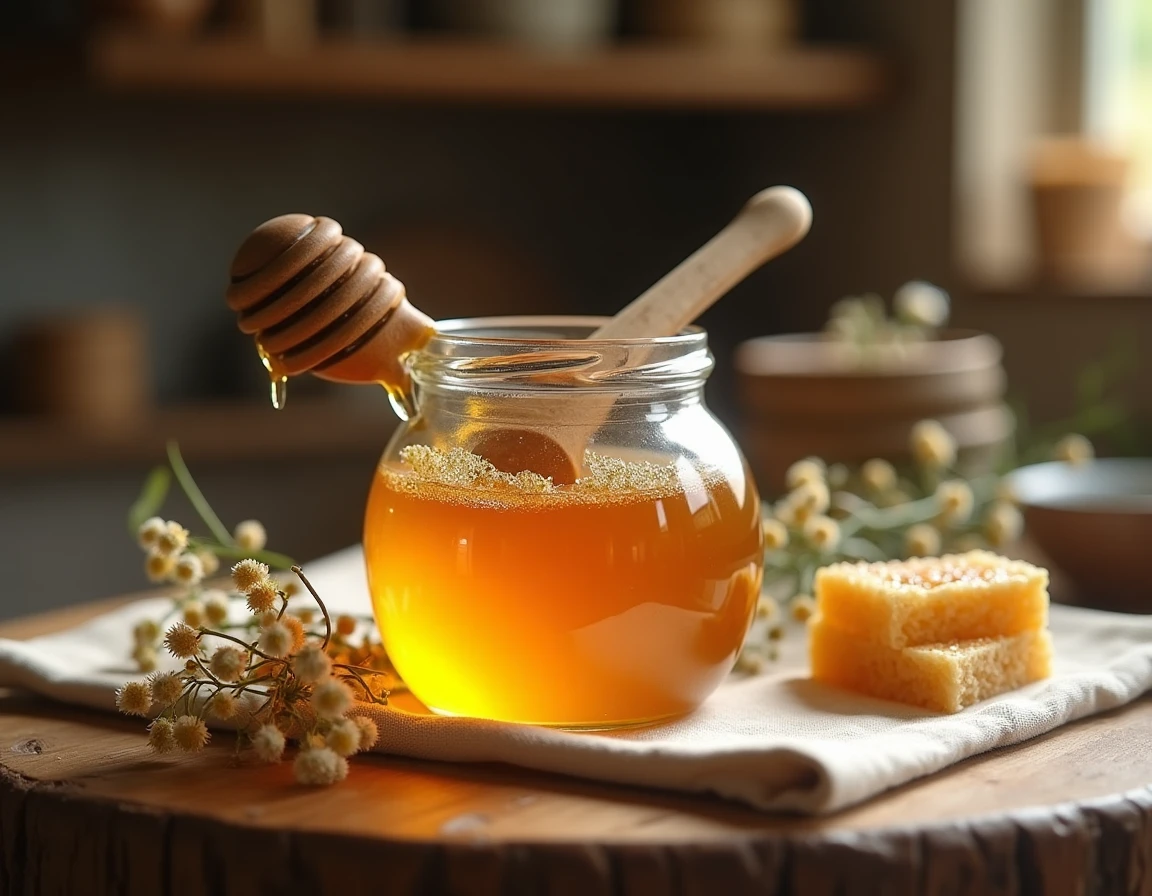
When you first come across a Leak honey jar, it’s often through an Instagram story or a TikTok reel. The product has been circulating massively on social media since 2023-2024, driven by content creators who tout its properties. Before giving in to the hype, it’s wise to understand what lies behind this label and why it polarizes opinions so much.
Leak Honey and Fermented Honey Beverages: A Product Rooted in a Broader Trend
Leak honey doesn’t come out of nowhere. It is part of the global wave of honey-based beverages and preparations, whether they are low-alcohol or non-alcoholic. Honey kombucha, modernized mead, functional mocktails: these products are multiplying, supported by a “natural” and “gut-friendly” image among 18-35 year-olds.
What sets Leak honey apart from most of these references is its positioning halfway between a dietary supplement and a gourmet product. It is consumed pure or diluted, rarely in cooking. Feedback varies on this point: some users integrate it into a daily wellness routine, while others see it as just flavored honey.
To learn more about Leak honey, one must first accept that the term encompasses varying realities depending on the retailers and the formulations offered online.
Leak Honey on TikTok and Instagram: Viral Mechanics and Limits of Short Format
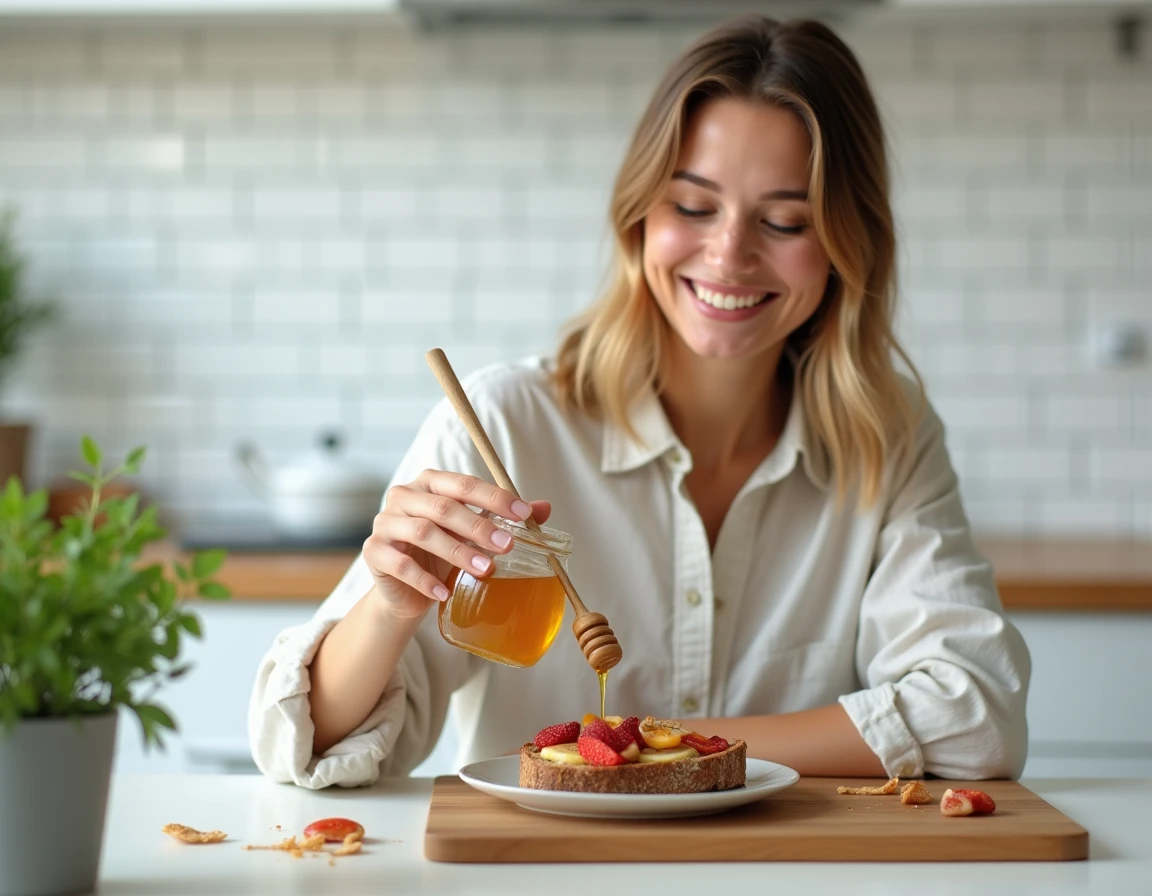
The dissemination of Leak honey relies on a well-established scheme. A creator films a tasting, emphasizes the texture, praises a benefit (energy, digestion, skin), and then directs viewers to a purchase link. The format rarely lasts more than thirty seconds. On TikTok and Instagram, dozens of reels follow this model almost identically.
The problem with this format is that it leaves no room for nutritional nuance. You see an appetizing product, hear a health promise, and click. Legal mentions, the exact composition, and the botanical origin of the honey used are systematically overlooked.
Some more rigorous creators take the time to detail the ingredients or clarify that Leak honey is not a medicine. These contents generate fewer views, but they provide useful insights for those who want to make informed purchases.
Composition and Real Benefits of Honey: What Science Validates (and What It Doesn’t Say)
Honey, regardless of its commercial name, has a documented biological profile. Its antibacterial and antioxidant properties are measurable, linked to its enzymatic activity and its content of phenolic compounds. In terms of digestion, some studies associate regular consumption of raw honey with better intestinal comfort.
However, the WHO reminds us that honey remains a free sugar, subject to the same recommendations for limitation as table sugar. The richer antioxidant profile does not change this metabolic reality. One does not replace a soda with a spoonful of Leak honey thinking it is a neutral dietary gesture.
Here’s what one can reasonably expect from quality honey:
- A higher antioxidant content than refined sugar, varying according to floral origin
- An antibacterial activity linked to the natural production of hydrogen peroxide by honey enzymes
- A soothing effect on the throat and mucous membranes, long documented in traditional use
- No validated therapeutic effect as a substitute for medical treatment
When a Leak honey seller promises spectacular results on skin or immunity, they are far exceeding what scientific data allows us to claim.
Free Sugars and “Healthy” Image: A Gap to Be Aware Of
Public Health France highlights the risk of overconsumption among those attracted to “natural” sweetened honey beverages and preparations. The virtuous image of the product encourages consumption beyond what one would do with a conventional sweetener. This bias particularly affects connected young adults, the main target of Leak honey.
Honey Fraud and Traceability: Why Check the Origin of Leak Honey
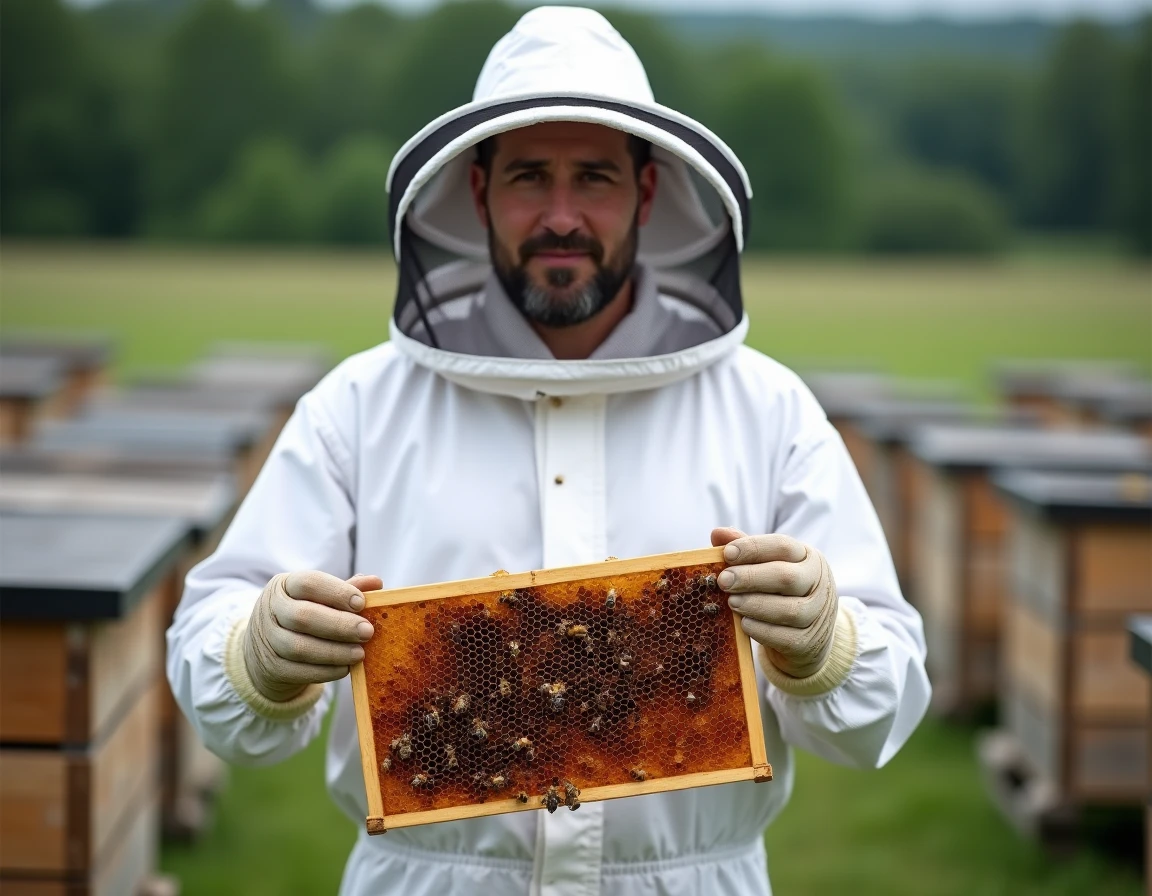
In France and the European Union, the explosion of imported honeys poses a real traceability problem. There are still too many honeys cut with glucose syrup or whose actual geographical origin does not match the labeling. Leak honey, often sold online without visible beekeeping certification, is not exempt from this gray area.
To assess the reliability of honey purchased online, a few concrete criteria deserve attention:
- The presence of a precise floral and geographical origin mention on the label
- A lot number and a harvest date (not just a best before date)
- A clear identification of the producer or packager, with a verifiable address
A honey sold only via bio links on Instagram, without a structured sales site or legal mentions, should raise caution. The viral success of a product does not guarantee its quality or regulatory compliance.
Leak Honey: A Fad Based More on Marketing Than on Product Exceptionality
Leak honey derives its notoriety from an effective viral mechanism and a clever positioning between wellness and indulgence. The product itself is not fundamentally different from a classic enriched honey. What changes is the narrative packaging: a catchy name, polished visuals, a community of paid or affiliated influencers.
There is nothing wrong with enjoying this type of honey if the taste is pleasing and the price seems justified. However, buying Leak honey thinking you are acquiring a superfood with exceptional virtues is more about storytelling than nutritional reality. A good local artisanal honey, whose beekeeper and floral origin are known, offers comparable benefits for often a more honest price-quality ratio.