Indonesia. Just the name evokes images of pristine beaches, lush forests, and ancient temples, while stirring a desire for adventure and discovery. This archipelago, made up of over 17,000 islands, is a true paradise for travelers. However, to make the most of this fascinating country, it is essential to choose the right travel period to optimize the experience. The geographical diversity of Indonesia leads to climatic complexity, with notable variations between the islands. Understanding these nuances will allow any discerning traveler to plan a memorable stay marked by sunshine, exploration, and cultural discovery.
The Seasons in Indonesia
Indonesia, located near the equator, experiences a tropical climate characterized by two main seasons: the dry season and the rainy season. Each season offers its own attractions and challenges.
- Dry Season: it runs from May to September. This is the time when rain is scarce, temperatures are pleasant, and the sky is clear. Ideal for outdoor activities, hiking, and exploring temples, this season is often favored by travelers.
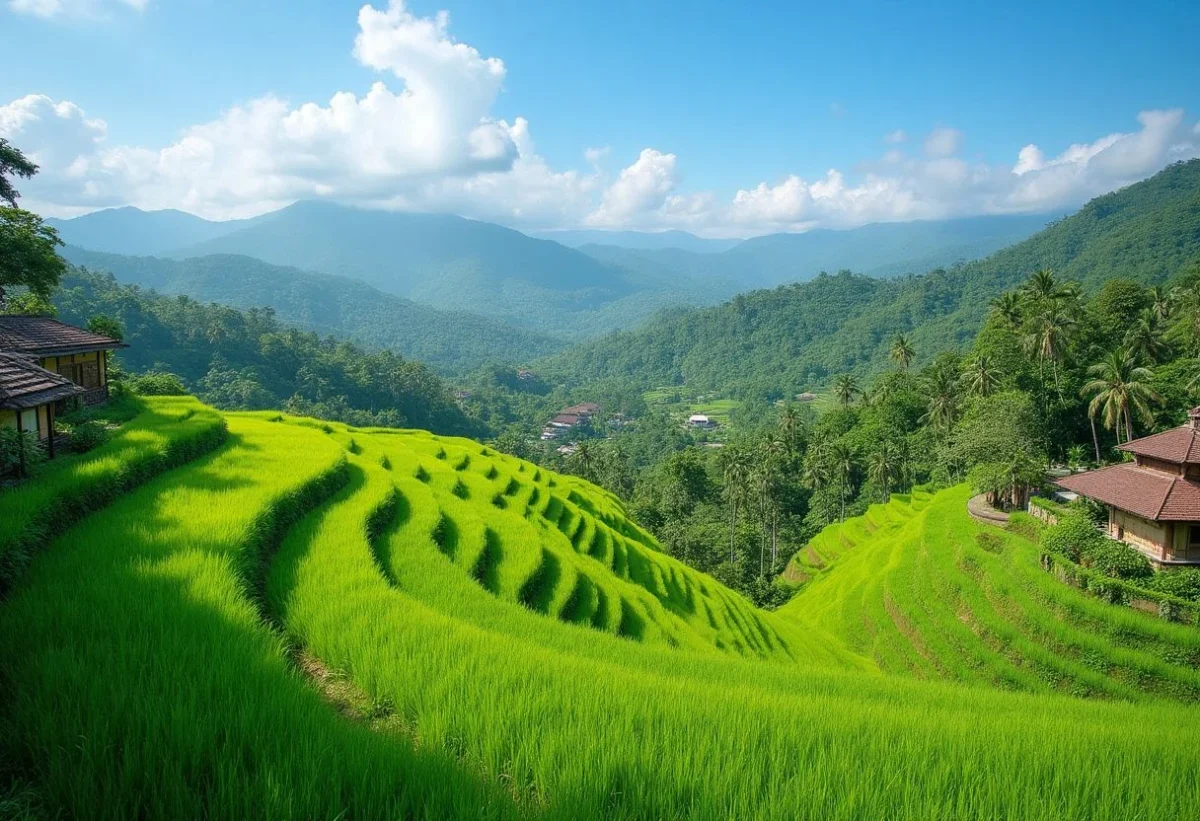
- Rainy Season: from November to March, Indonesia experiences frequent and sometimes heavy showers. Although this may seem discouraging, this season has its advantages. The lush green landscapes reach their peak, waterfalls are more spectacular, and there are generally fewer tourists, providing a more peaceful setting for visits.
The Best Months to Travel
To optimize your stay in Indonesia, choosing the right month can make all the difference. Here’s an overview of the most popular months:
- July and August: these months correspond to the high tourist season. The climate is dry, perfect for enjoying the beaches and water activities. It’s the ideal time for those who want to maximize their time outdoors.
- May and September: these months mark the transition between the seasons. As transition months, they often combine the best of both worlds: less rain, still green landscapes, and moderate tourist influx. This allows for discovering Indonesia from a different angle, away from the crowds.
Your Destination Influences Your Choice
With a diversity of islands, each region of Indonesia has its own climatic specifics. It is therefore wise to adapt your travel period according to local particularities.
Bali and its surroundings benefit from a relatively stable climate, offering optimal sunshine during the dry season. In contrast, Sumatra and Borneo may experience rainfall even during the dry months, making some roads difficult to access. It is therefore recommended to consult a Bali travel agency for personalized advice.
Events and Festivals: Another Dimension of Travel
The cultural richness of Indonesia is also manifested through its festivals and events. Traveling during these festivities can enrich your travel experience.
The celebrations of Nyepi, the Day of Silence in Bali, are unique and offer a complete immersion into Balinese culture. By attending events like Waisak at Borobudur, you will witness Buddhist fervor in an impressive historical setting. These moments of sharing add a human and cultural dimension to your journey.
By choosing the best time to visit Indonesia, every traveler can ensure a unique and enriching experience, in line with their expectations and desires. Whether you are drawn to the sunny beaches of Bali or the cultural richness of Java, planning your stay while considering the seasons and local events is the key to a successful discovery of this archipelago with a thousand faces.